
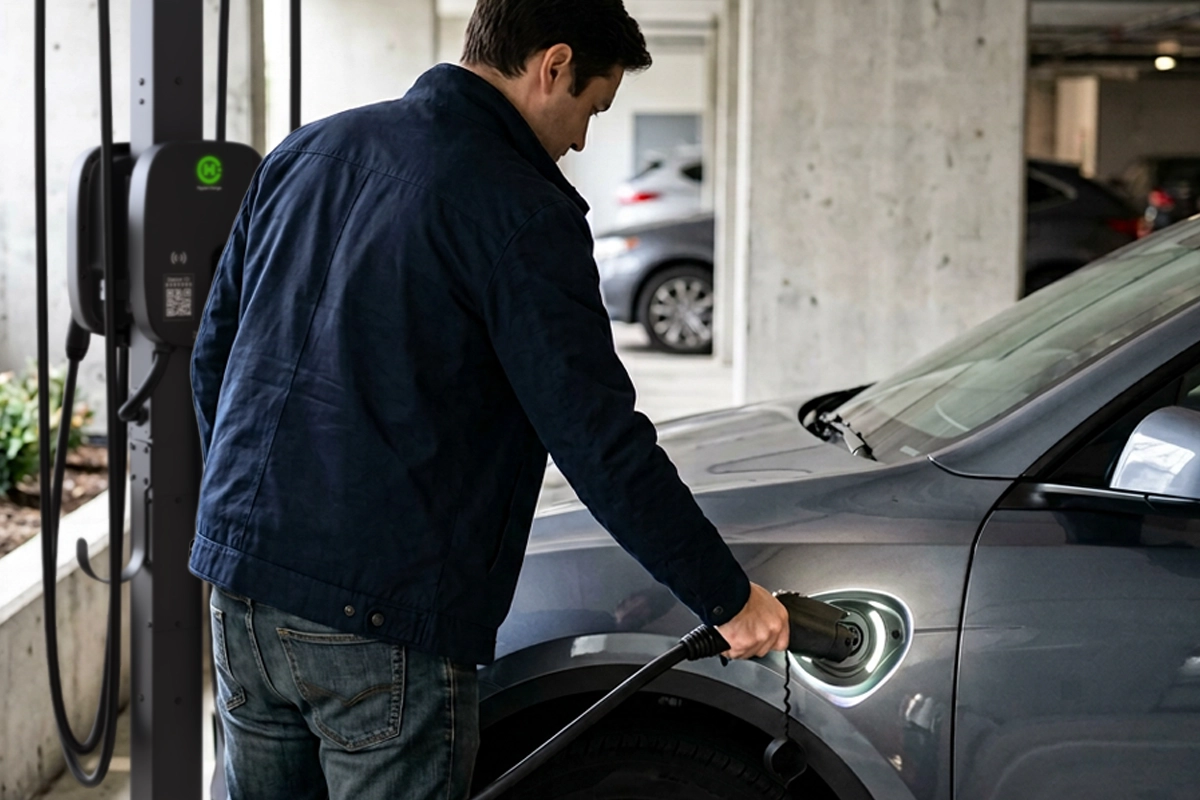
If you get overwhelmed by online chatter about electric vehicle charging, you’re not alone. While forums like Reddit can be a useful source of anecdotes about owning and driving an EV, sometimes you need to cut through the noise to find the straight goods.
We’ve pulled together simple, practical answers to the most common questions about EV charging on Reddit, with loads of links to further reading for deeper dives.
1. Does It Cost Less to Own an EV?
Switching to an EV delivers big savings on the yearly cost of fuel and maintenance – more than enough to balance out the higher average sticker price for EVs compared to gas-powered equivalents.
With far fewer moving parts and no engine upkeep, EVs can cut annual maintenance costs by an impressive 40 percent, and our sample calculations found fuel savings of 76 to 89 percent.
2. How Much Does It Cost to Charge an EV?
The cost of charging depends on three factors: battery size, how fast a vehicle can accept power, and the output of the charging station. Larger batteries hold more energy and cost more to fill, for example, while Level 2 and DC fast chargers deliver power at very different speeds and prices.
With those variables in mind, we calculated that one of the most popular EVs would cost $15 to $20 to fully charge with typical charging fees. (Charging at home and paying through a regular electrical bill would cost even less.)
3. How Far Can an EV Go on a Single Charge?
According to the International Energy Agency, the average EV range globally is 380 kilometers; however, there are multiple factors that affect real-world performance.
Smart habits that maximize range include preconditioning the battery, gentle acceleration, regenerative braking, speed control, reducing drag, and proper tire pressure. Battery age, extra weight in the vehicle, higher speeds, and extreme temperatures can all have a negative impact on range.
4. Can You Charge an EV in Bad Weather?
EVs and EV chargers stand up to all kinds of weather, though extreme temperatures can impact vehicle performance.
Extreme cold is the hardest on batteries, slowing charging times and temporarily dropping the driving range by as much as 20 per cent.
High temperatures can also reduce range, and it’s best for a battery’s long-term health to minimize charging in scorching heat.
While it’s perfectly safe to charge in the rain, you should follow the standard precautions for thunderstorm safety and head indoors if you can.
5. Should I Get an EV if I Can’t Charge at Home?
Charging at home is your safest bet, but if your apartment or condo building is still in the planning or installation phases for EV infrastructure, it’s possible to fill in the gaps with reliable access to chargers at work and public charging.
Mapping your driving habits and preferred locations and taking note of the charging speeds of nearby stations will help you create a solid charging plan.
6. How Do I Convince My Strata/Condo Board, Landlord, or HOA to Install EV Chargers?
Getting your strata/condo board, landlord, or HOA onside with EV charging starts with making a clear case for its benefits, from meeting current and future residents’ needs to boosting property value and generating new revenue.
You can strengthen your proposal by surveying interest, forming a resident working group, and working with Hypercharge to create detailed plans that include cost estimates and a thoughtful rollout strategy.
7. What Are the Environmental Impacts of EVs Compared to Gas Cars?
The bottom line: Driving an EV is a big environmental win. It’s true that manufacturing an EV, especially its battery, requires mining for minerals and energy that may not come from renewal sources, and some parts of the world still rely on fossil fuels to generate power for electrical grids.
But once on the road, EVs quickly offset those impacts. In fact, the Environmental Protection Agency and other institutions have found that EVs still have a smaller carbon footprint than gasoline and diesel vehicles, even when charging them with energy generated from fossil fuels.
8. How Long Do EV Batteries Last?
EV batteries typically lose about 2 per cent capacity per year. Real‑world factors such as extreme temperatures and charging habits can affect longevity, and strategies such as preconditioning, maintaining a battery range of 20 to 80 percent, and limiting fast charging can help preserve battery health.
9. Why Do Public Chargers Malfunction or Break?
The most common hiccups during public charging include user mistakes, network or communication issues, and worn-out or poorly maintained hardware.
But understanding sources of potential friction makes it easier for station managers to ensure the charging experience is smooth and predictable.
10. How Do the Different Plugs/Protocols and Chargers Interact and What Does That Mean for Charger Compatibility?
Charging an EV involves a lot of quiet coordination in the background between chargers, software, and networks. Physical connectors such as J1772, CCS, and NACS determine where vehicles can plug in, while sturdy hardware helps avoid faulty connections.
Once that connection is in place, communication systems, such as the Open Charge Point Protocol (OCPP), allow vehicles and stations to exchange the information they need to get charging underway.
Talk to Hypercharge
Hypercharge helps apartments, condos, communities, workplaces, and businesses make EV charging simple with tailored solutions, reliable hardware, intuitive software, and 24/7 driver support.
If you want to bring EV charging to your building or property, ask your strata council, condo board, HOA, landlord, or property manager to schedule a free EV charging consultation with Hypercharge. Our team can help assess your site, map out the right charging setup, and identify options that improve convenience, support driver demand, and create long-term property value.